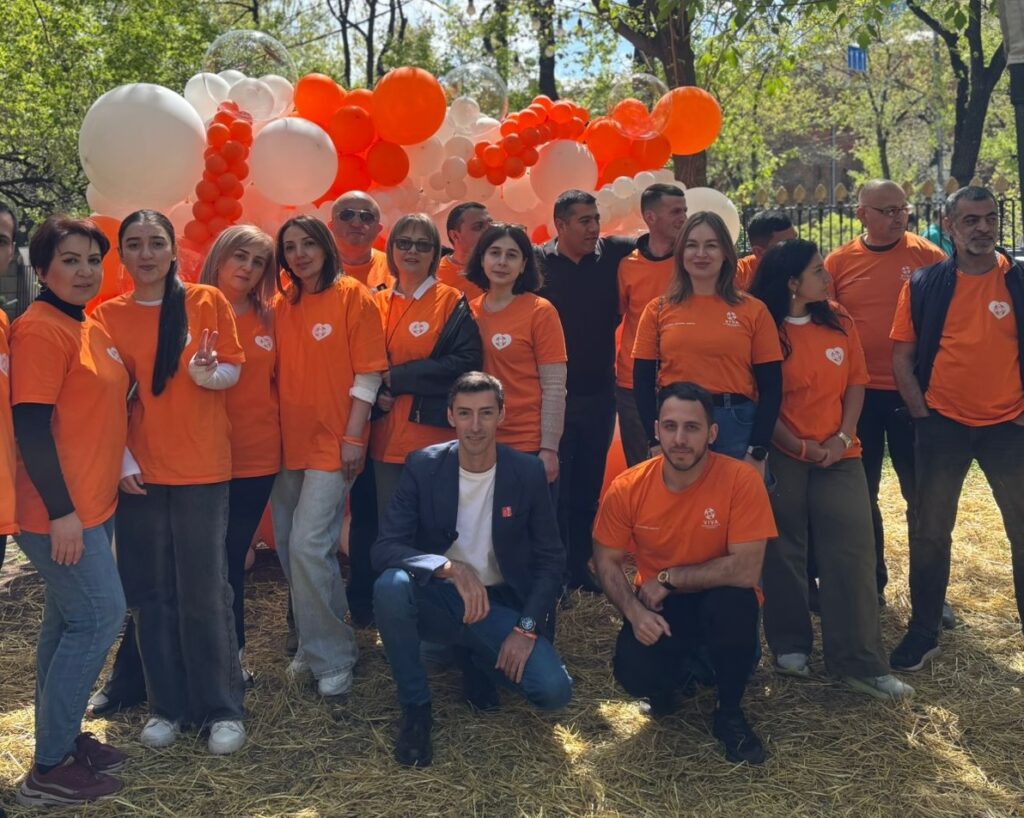
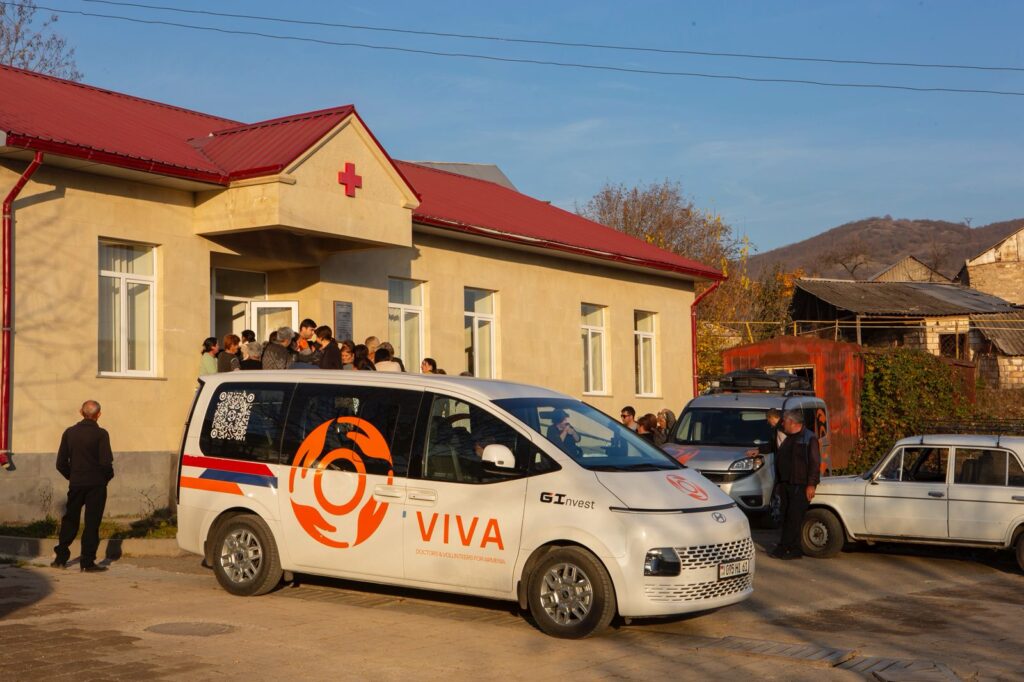
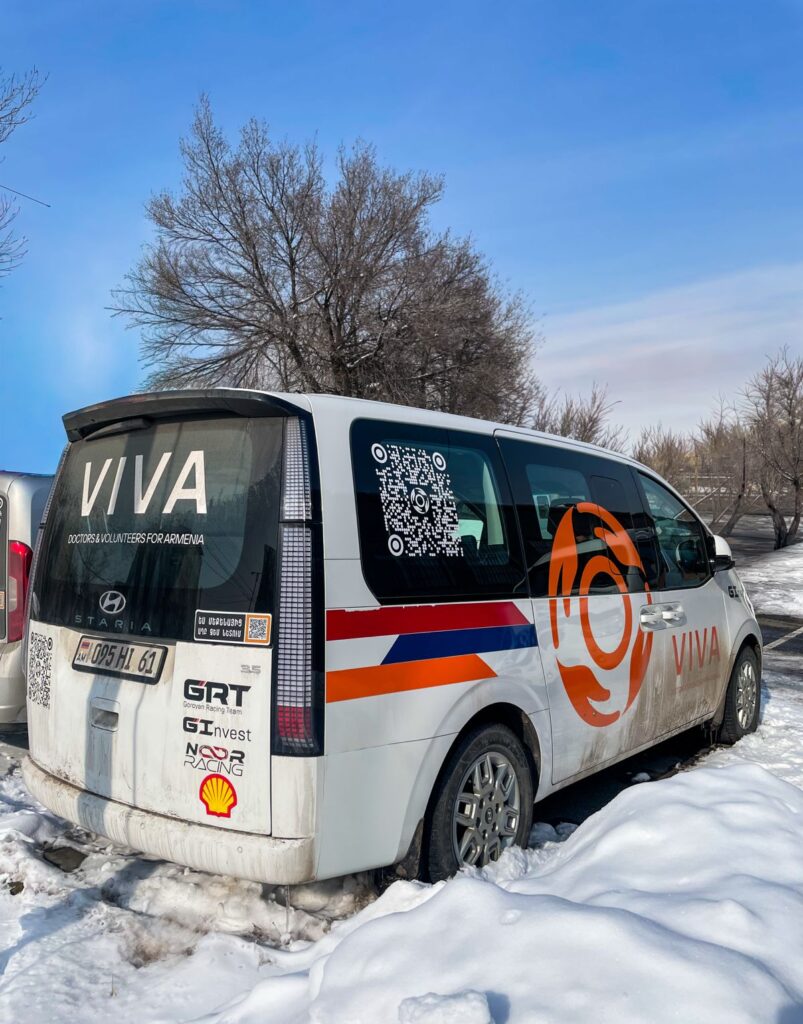
Artur Goroyan is the author and inspirer of that very special charitable account thanks to which our medical outreach program to remote regions and villages of Armenia can operate continuously. The idea of Pativ also belongs to him. Translated from Armenian, it means “honoring.”
Simply put, it is a gesture of honor and respect shown to you, which you then pass on to others. Were you given a discount? Did your best friend pay for your coffee? Send the money you saved to help those who need it today. You were shown honor — show respect in return, even to a stranger. In this way, gratitude multiplies, and the world becomes a little kinder. And this is not an abstraction: your pativ will be directed toward real, tangible actions.
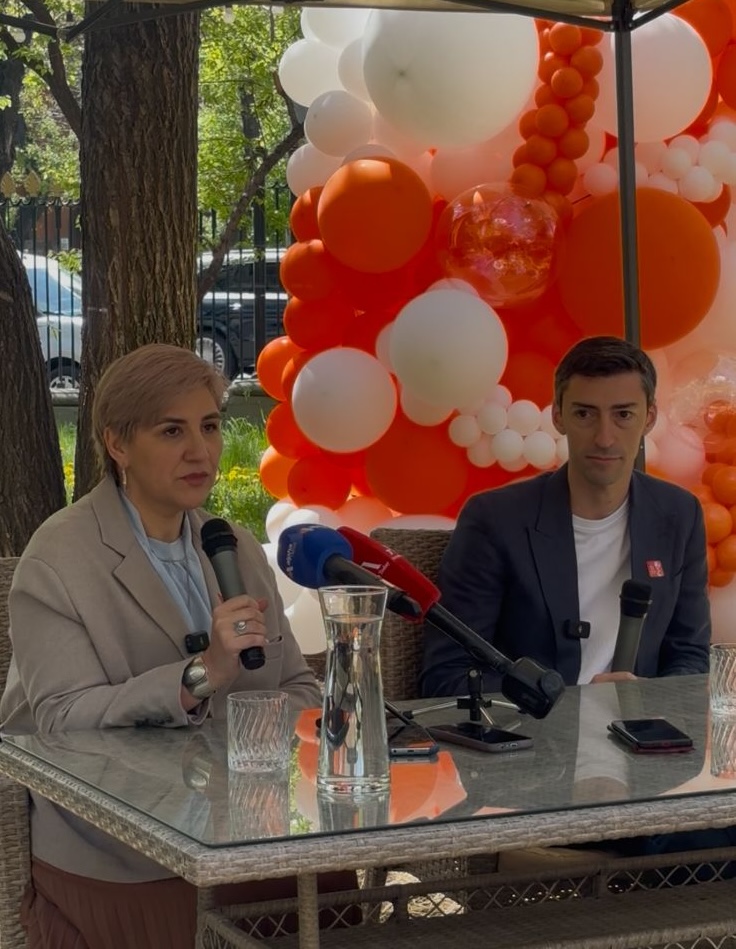
Today, we met with Artur Goroyan to talk in detail about what Pativ is, how it works, and why it is so important for each and every one of us.
- Why did you decide to speak publicly about Pativ now?
Artur Goroyan. Pativ is not about change for the sake of change. It is about respect for what already exists. Armenia is a warm, alive, deeply human country. That is exactly why there is a natural desire to support and strengthen its best qualities. Pativ is a way of care and participation that does not break what exists, but gently continues it.
- How would you explain Pativ to someone who hears this word for the first time?
А.G. Pativ is not about money. Money is only a tool. Pativ is an internal decision to participate with respect. It is a form of gratitude and responsibility. When you do good not out of pity, but out of dignity and equality.
- What, in your view, is the difference between Pativ and traditional charity?
А.G. Traditional charity is often driven by emotion in the moment. It is sincere and important, but not always sustainable. Pativ is about calm, regular participation. About a system that helps people become healthier, safer, and more independent, without taking away their dignity or creating dependency.
- Why is this idea especially important for Armenia, the diaspora, and visitors to the country?
А.G. Armenia is a country with a deep culture of hospitality. Helping, welcoming, and supporting others comes naturally here, without expectation or calculation. The diaspora has been involved in the life of the country for many years. Visitors often encounter this attitude for the first time and feel a natural desire to give something back. Pativ gives the diaspora and visitors a clear and dignified way to express gratitude so that this good truly reaches those who need it and works in the long term. It is a form of respectful participation on equal terms, without pathos and without obligation.
- How is Pativ implemented in practice?
А.G. Very simply and in a human way. Imagine a situation. You are in another country and someone shows you hospitality after learning that you have a connection to Armenia. You are Armenian, you have Armenian friends, or you simply have a warm connection to the country. It can be anything. A café does not charge you for coffee, someone helps you without expectation, someone shows kindness. Pativ offers a simple and dignified response to such kindness. You are not required to return it immediately or to the same person. You can thank Pativ. It does not matter where you are. In Armenia or in another country. By contributing to Pativ, you pass this good forward. It does not disappear, but becomes part of a system that helps people become healthier, safer, and more independent.
- What can a person do if this idea resonates with them?
А.G. The most important thing is to tell others about this initiative. Pativ lives when people know about it and share it. It is important to understand this. Pativ funds are not spent directly. They are accumulated in an endowment fund, and only the returns are directed toward social and charitable initiatives. This allows the capital to be preserved and provides continuous support. By talking about Pativ, a person becomes part of a long term system of care and responsibility.
- What does Pativ personally mean to you?
А.G. My personal principle is “do what you can do right now”. You do not need large resources or grand plans. Small, regular actions often bring results faster and more sustainably. I am close to the idea that has been expressed many times by Ruben Vardanyan. It is important for the diaspora not only to help, but to participate in joint work and development. For me, Pativ is participation, gratitude, and respect. It is the willingness to support what we love, here and now.
Take part in Pativ
Credit: VIVA’s archive